What are solar batteries?
Solar batteries are panels allowing transforming solar light energy into electric to use it later for functioning of various facilities, for example, household appliances or industrial aggregates. Do not mix up solar batteries with solar collectors. Solar collectors use solar heat for hot water supply and heating support.
Fields of application

Private houses, row houses, summer houses

Industry, business-centres, hotels

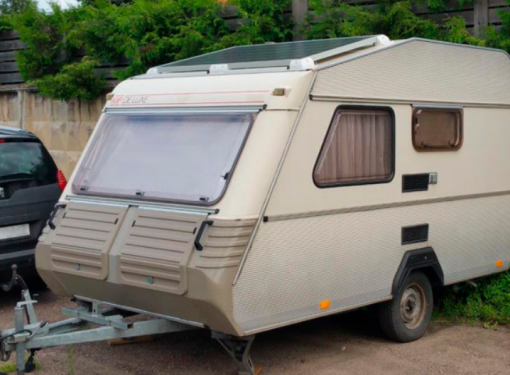
Campers, houses on wheels

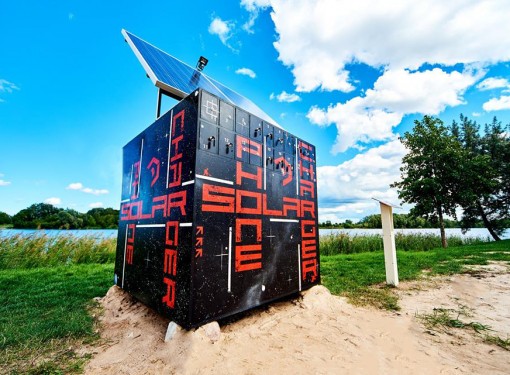
Phone charging stations

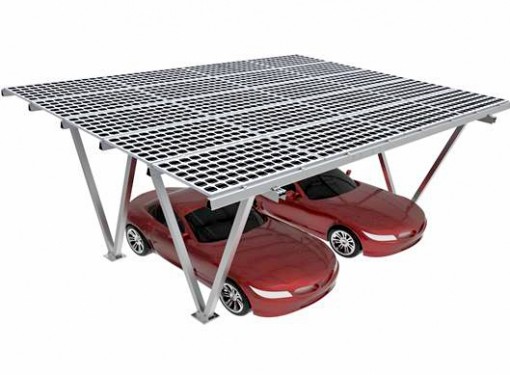
Electromobile parking

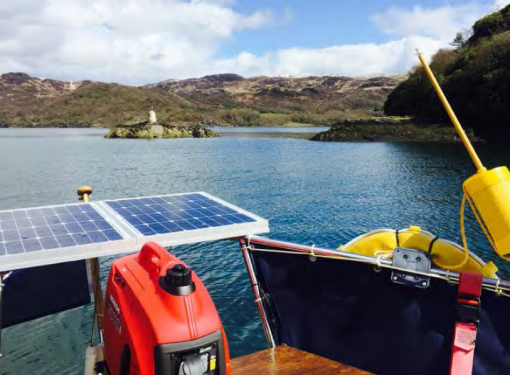
Yachts, boats and other vessels
Types of solar batteries in the market
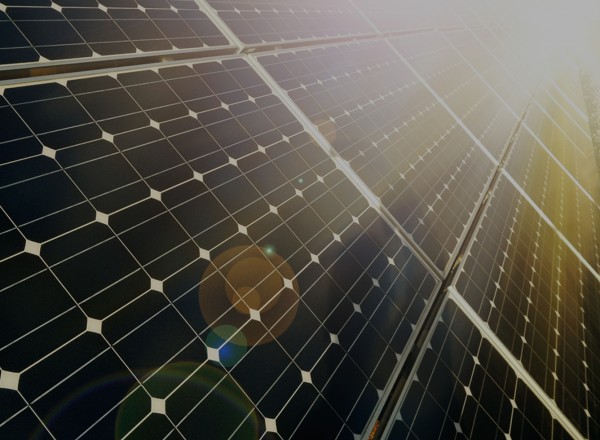
Monocrystalline – the most efficient and the most expensive
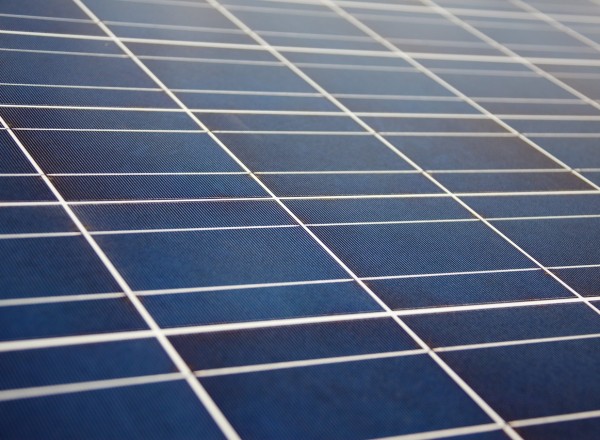
Polycrystalline - the golden mean
Amorphous – efficient even in dull weather
What is in a kit?
ON GRID solar panel kit
-20180612115515.png)
-20180612115515.png)
OFF GRID solar panel kit
-20180612124356.png)
-20180612124356.png)
How to install solar batteries?

Fill in application form

Wait for our call

Project calculation

Project approval

Batteries’ installation
 ALTENERGO Energy-efficient House - Copy-20180610024310.jpg)
Frequently Asked Questions
The payoff period depends on energy consumption regime, and for an average family house an approximate estimate is 8 years. In the future the tarifs are likely to grow, which will favor shorter payback time. If electricity is consumed actively, e.g. at a factory, solar panels pay off even quicker.
The primary factor is not a house area, but power of household electronics and intensity of their use. This is why we invite you to provide this information while filling in the application form.
A deflection of up to 15° is acceptable. Bear in mind that East - West type installation is also possible: in this case one half of solar panels is East-oriented and works until noon, and the other half is West-oriented and gets active in the afternoon.
If you have an ON GRID system installed, during darkness hours your building will be powered by the central grid, as usually. With an OFF GRID system you rely on your accumulator's capacity.
Solar PV panels run for several decades. Manufacturers provide various warranties - typically around 15-30 years.
The highest savings can be achieved when you consume all power you generate, and don't submit it to the central grid. Owners of solar PV systems usually adapt their lifestyle to the solar cycle: powerful household electronics - such as washing machines - are exploited during apparent dayshine. If you submit your generated energy to the grid, and later use a reverse, your savings will be lower.
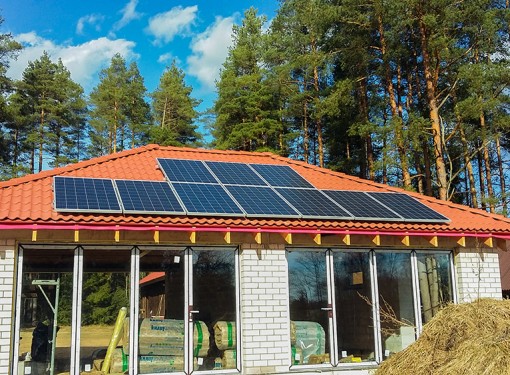
No, you have more choices, although a roof is the most popular. You can install solar panels on the facade and on the ground nearby as well. OFF GRID solar systems are also mountable on yachts or camper vans.
No, this happens naturally - under solar light.